
 Mavroskyla Team
ER Champ has grown into the world’s largest international escape room championship, bringing together thousands of players from across the globe. Behind this remarkable event are people who have dedicated years to developing not only the competition itself but also the international escape room community.
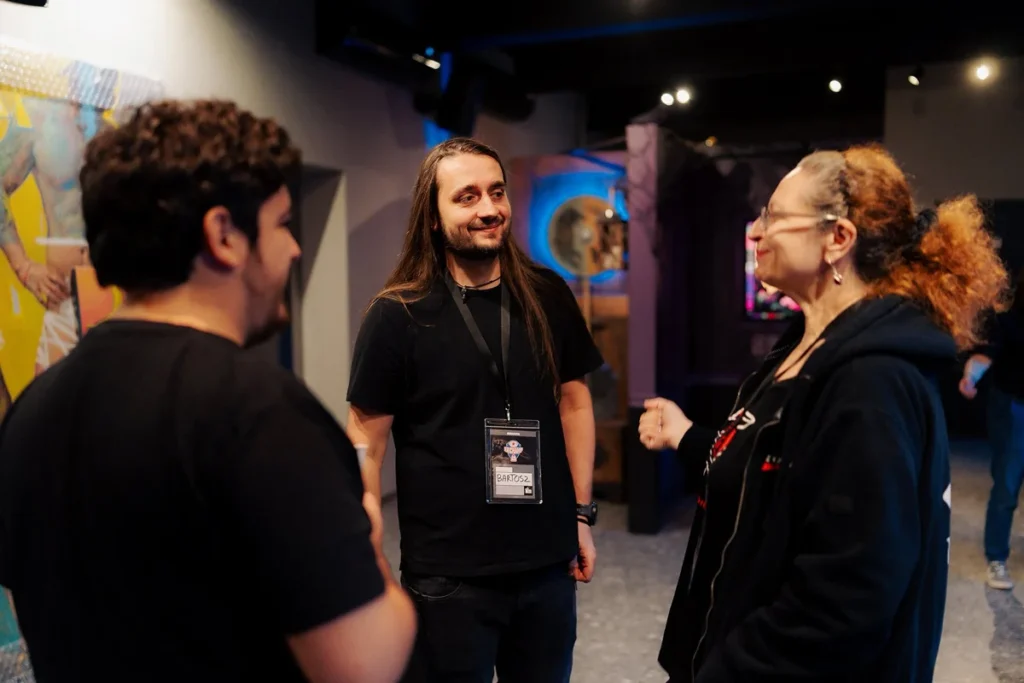
tamavroskyla.gr had the pleasure of speaking with Bartosz Idzikowski, co-founder of Lockme and ER Champ, creator of the acclaimed Escape Tales and SideQuest board game series, and one of the world’s most experienced escape room enthusiasts. By his side is Anna Kryśkow, the marketing specialist behind Lockme’s and ER Champ’s social media presence, who’s work has helped connect and engage thousands of players worldwide.
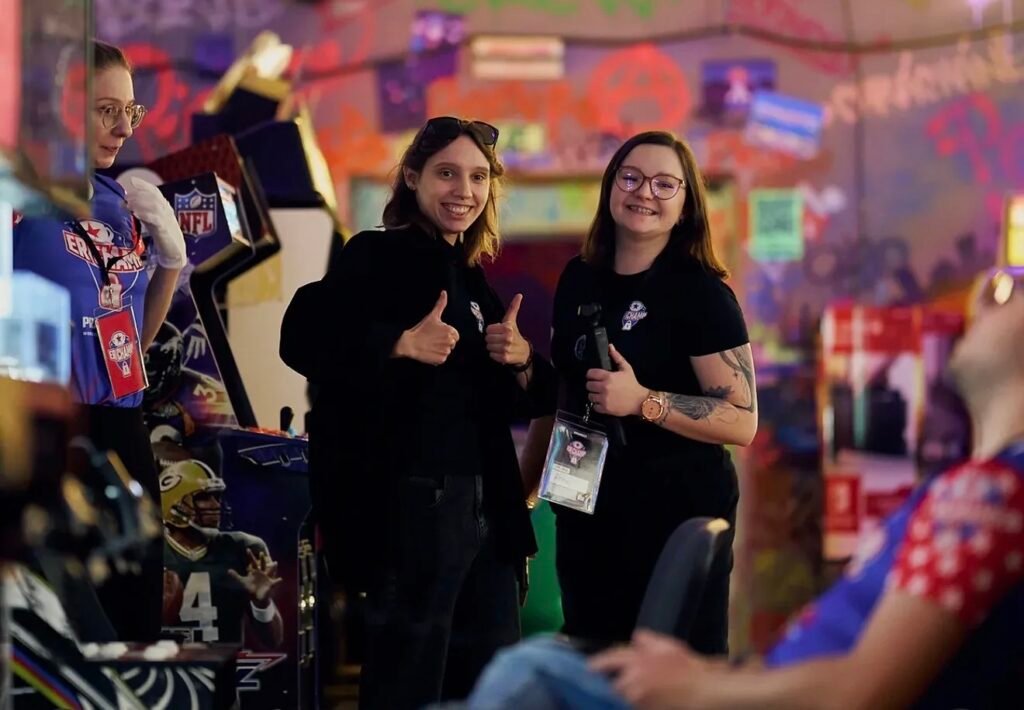
Together, they shared their thoughts on the evolution of ER Champ, the future of the escape room industry, and their impressions of the Greek escape room scene.
General Questions
ER Champ has grown into the largest international escape room championship. Looking back at the first edition in 2017, did you ever imagine it would reach this level?
Definitely not. Back in 2017, it was not even a world championship yet. We started with the Polish Championship, which gradually evolved — at one point becoming an international, open national championship — and only after a few years it reached the level of a true world championship.
At the beginning, the whole format was very experimental. We knew that Red Bull had previously organized its own competition, but for various reasons it had not really worked out and was quickly abandoned.
So, in a way, we were blazing a new trail, trying to create a proper sporting format for the escape room community. Our financial resources were also limited, which meant we could not bring all our ideas to life or fully explore the potential that escape rooms offer. It all grew step by step, year by year — and it is still growing. And I believe it will continue to grow. There is no real ceiling here, no point where the possibilities simply end.
What has been the biggest challenge in organizing a global competition that brings together players, companies, and escape room enthusiasts from so many different countries?
There have been many, many challenges. But at this point, the biggest one is probably the budget — the overall cost of organizing the entire event. And by cost, I mean both money in the literal sense and the huge amount of time needed to put everything together.
Apart from preparing the storyline, the online games for the qualifiers, and the physical escape rooms for the finals, it is also a major undertaking in terms of creating an event for fans, organizing the online broadcast, and managing all the surrounding logistics. It can honestly be overwhelming at times.
We are still doing this as Lockme, but we remain very open to partners. Apart from the obvious support in terms of workload, partners also bring a different perspective, fresh ideas, access to locations, and many other things that are extremely valuable.
Over the years, you’ve seen hundreds of teams compete. What qualities separate the truly exceptional teams from the rest?
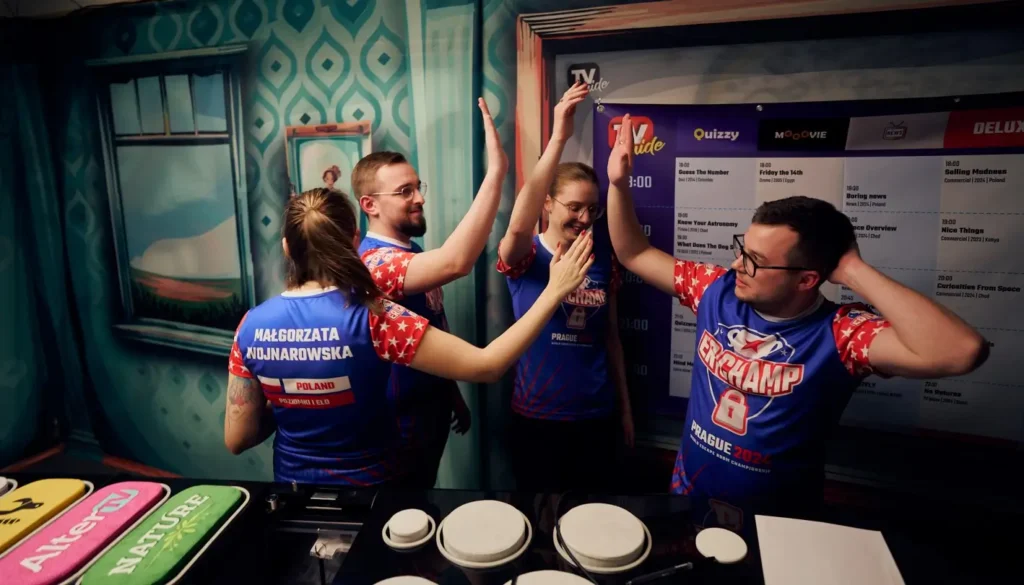
I think the biggest difference is that the top teams train a lot. They play a huge number of escape rooms, and because of that they almost become one coherent organism. Each team member knows their role, knows the others extremely well, and very often there is something close to complete symbiosis between them. I have to admit, it is truly fascinating to watch.
On top of that, they are able to analyze the “structure” of a game in real time and adapt to it very smoothly. They also prepare by studying our previous games, storylines, and mechanisms.
That said, every now and then a team appears with a very spontaneous, improvised approach and still manages to go really far. And that shows there is no single ready-made formula for success. Sometimes the best results come from people who are simply having a great time.
How do you see the escape room industry evolving over the next five years?
We expect fairly dynamic evolution, but not a revolution. Companies have bigger budgets now, they have been on the market longer, they are gaining very valuable experience, and they are hiring better and better specialists. As a result, their projects — new escape rooms — are becoming more advanced, more polished, and more complex.
This means that an escape room is no longer just a “game”. Very often it is closer to a performance, involving actors, professional effects, scenography, and many other elements.
At the same time, escape rooms now have to compete with an increasingly wide range of new, creative attractions and forms of entertainment. That is why creators are adding more and more elements designed to surprise players or offer them something new and unexpected.
Is there a particular ER Champ moment or memory that has stayed with you throughout the years?
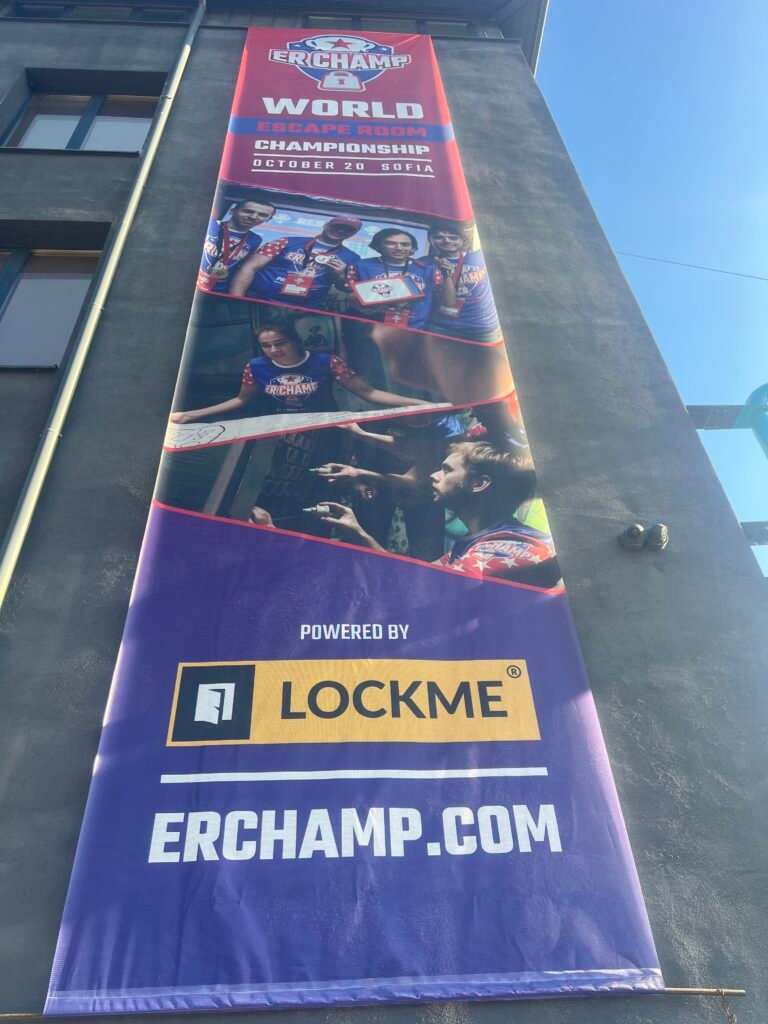
I think last year, when we managed to build traditional, complete escape rooms for the finals in Sofia and transport them all the way from Poland to Bulgaria. And then, at the very end, we had two days to assemble everything on site.
It was a completely crazy project, and it would never have happened without an incredible team — people who truly went above and beyond and reached an absolutely extraordinary level of getting things done.
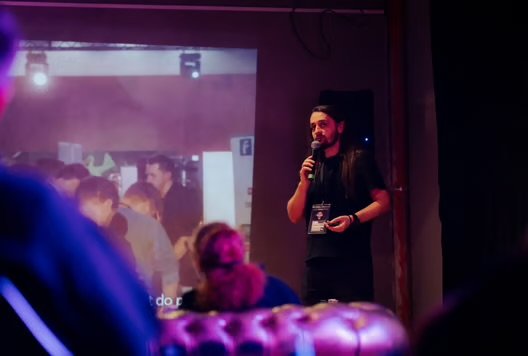
Questions for Bartosz Idzikowski
Bartosz Idzikowski is the co-founder of Lockme and ER Champ, creator of the Escape Tales and SideQuest board game series, and one of the world’s most experienced escape room enthusiasts, having visited nearly 900 escape rooms around the world.
Having visited nearly 900 escape rooms around the world, what are the biggest changes you have observed in the industry since you started?
The biggest change? It is very hard to generalize, but I would say that escape rooms have become stories, not just collections of puzzles. This immersion in the narrative is, I think, the biggest difference compared with what you would typically find on the market in 2015 or 2016. Puzzles are becoming more of a vehicle for the story, rather than the goal in themselves.
At the same time, every country has its own specific character, so it is difficult to talk strictly about global trends. For example, Poland has more adventure-oriented rooms and still offers a very good quality-to-price ratio, especially compared with Western markets. We also have many “clusters” of escape rooms, where you can find a large number of them close to one another.
Greece, which is very highly rated in international rankings, focuses more on thrillers and horror rooms. Spain has many escape rooms with very large spaces, where the gameplay can last a really long time — sometimes even three hours or more. The Benelux countries, on the other hand, often create experiences that feel very cinematic.
Do you believe that today’s players are looking more for challenging puzzles, immersive storytelling, or theatrical experiences?
It is difficult to talk about one type of player. The categories are extremely different — from children and teenagers, through casual visitors who come to escape rooms as part of spending free time in the city, to advanced players who still approach it as entertainment, and then advanced players who treat escape rooms almost like a sport.
So expectations vary a lot. But I do not think it would be an exaggeration to identify one common denominator: a strong storyline and immersion. That seems to be the shared quality that many players are looking for.
How has your experience with Lockme influenced the way you developed and expanded ER Champ?
We started organizing this competition in order to promote the idea of escape rooms. And we began from our own overview of the market, which we have thanks to a large database and our work with Lockme.
Still, ER Champ was something different — a kind of side path, but also a living organism we had to learn as we went. We knew there was a need for competition, but how to organize it, how to shape it, how to make the format catch on — that was partly intuition and, of course, a process of trial and error.
The experience of running Lockme definitely helped, but we treat ER Champ as a completely separate project that requires a very different approach.
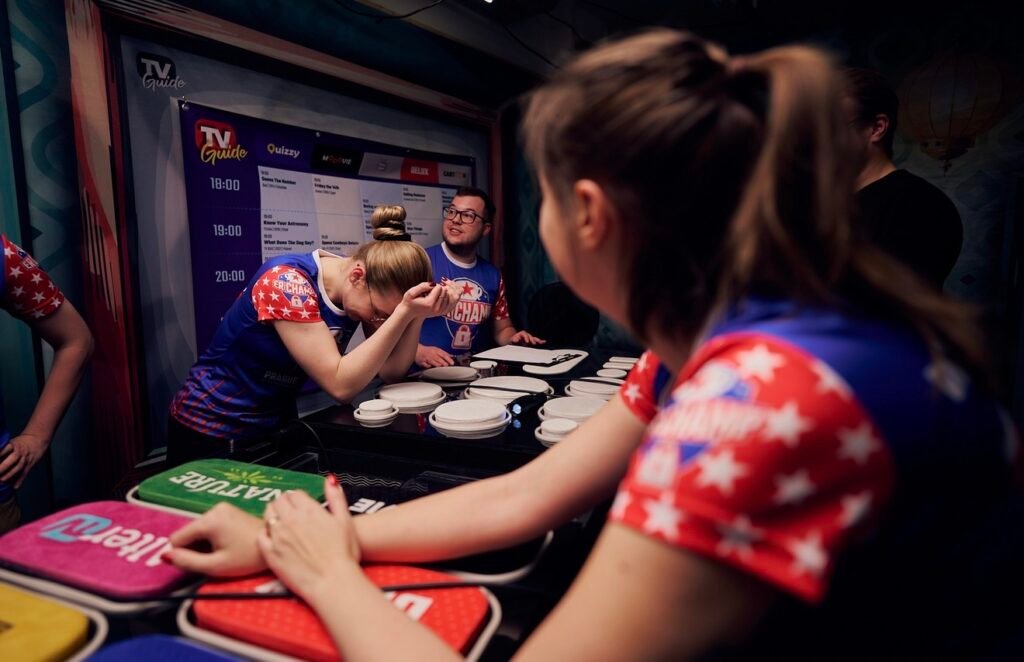
What is the most common mistake you see room creators make when designing experiences for experienced players?
In my opinion, it is precisely designing escape rooms strictly for advanced players. There are still relatively few of them. They make up a certain percentage of guests, so of course they should not be forgotten — but at the same time, creators should not focus on them too much.
I think the key is to build an interesting, engaging experience with a very strong storyline and good puzzles — simply “for people”. It is not always worth narrowing the design too much, especially for this particular group. Rooms for children are a different matter, for obvious reasons: they require a specific approach and a little more simplicity.
For me, the biggest killer of good fun in an escape room is overcomplicated puzzles — the kind where players spend a lot, or even too much, time stuck in one place. I think extremely complex puzzles appeal to only a very small percentage of guests. Very often, they simply break the flow of the game.
After playing so many highly-rated rooms, what elements make an escape room truly unforgettable?
I think it is different for everyone. Personally, I really like horror rooms because they trigger stronger emotions. Those are the ones that stay with me the longest. I like being scared, and that is also something I look for in escape rooms.
I also pay a lot of attention to how a room is built in terms of scenography, structure, and direction. At the same time, the budget does not always matter that much. If a player leaves in the final five minutes of the game with a huge smile on their face, not really understanding how on earth something happened — then that means it was a brilliant escape room.
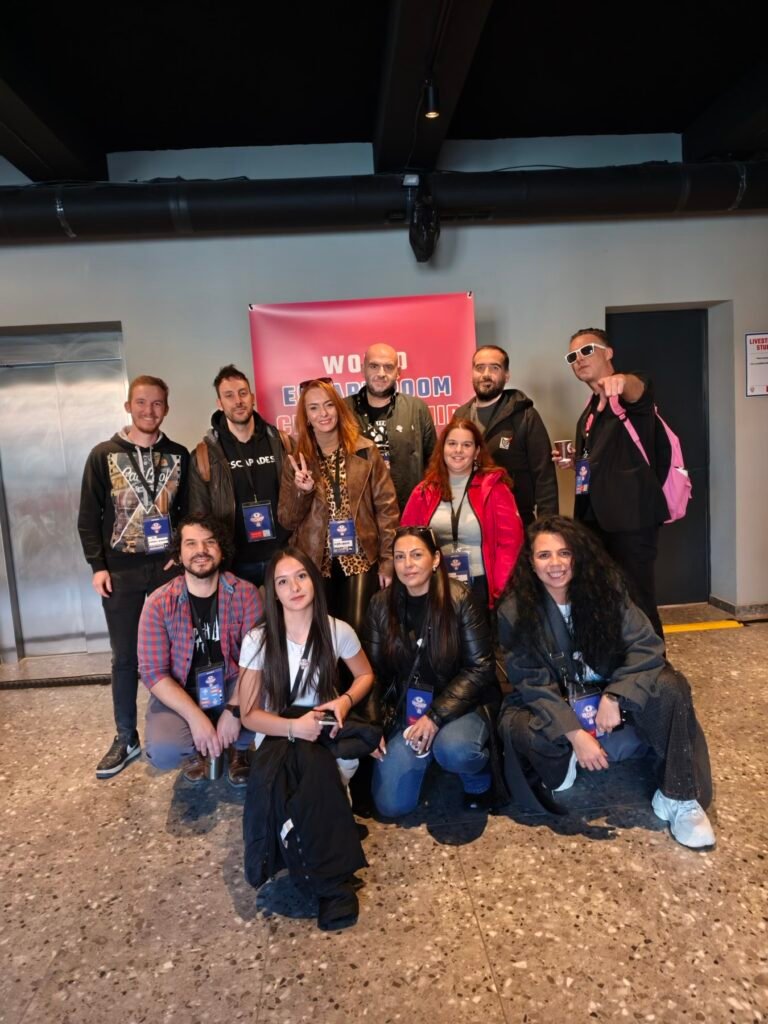
Greek escape rooms have earned a remarkable reputation internationally in recent years. What is your opinion of the Greek escape room scene?
For me, it is almost perfect — as if it were tailor-made — because I love horror rooms. Unfortunately, I have only been to Athens once so far, but I definitely intend to make up for that.
I had very high expectations. Some of them were fulfilled, and some of them… not entirely. Sometimes I felt that the visual finish was not quite there. But the flow, the story, and the immersion were usually unprecedented and exceptional. The size of the spaces was also often remarkable, as was the quality of the acting.
Honestly — hats off.
What is your long-term vision for ER Champ?
I cannot reveal everything yet. We are still planning and arranging many ideas — both in our heads and on the organizational side. I will be able to say more during this year’s finals, but for now I do not want to speak too openly or jinx anything.
Our plans are very ambitious, but they still require some work. So yes, I know this sounds a little mysterious — but that is where I have to leave it for now.
If you could change one thing about the global escape room industry, what would it be and why?
Honestly — nothing. I am not only a participant in this scene, but also a huge fan of the community. Like any community, it has had its challenges, especially during its “growing up” years, but that is completely normal.
Greece is now widely regarded as one of the world’s leading escape room destinations, with several Greek rooms consistently appearing among the highest-ranked experiences internationally. Could you envision a future ER Champ final taking place in Greece? What would need to happen to make that a reality?
It is possible. We do not rule it out. We want this series to travel around Europe — and maybe, one day, around the world.
But for that to happen, we would need a strong strategic partner. The costs of logistics, transporting escape rooms, and building them in a location far from our base are significant.
So yes, it is possible — but it would require stronger support from local partners.
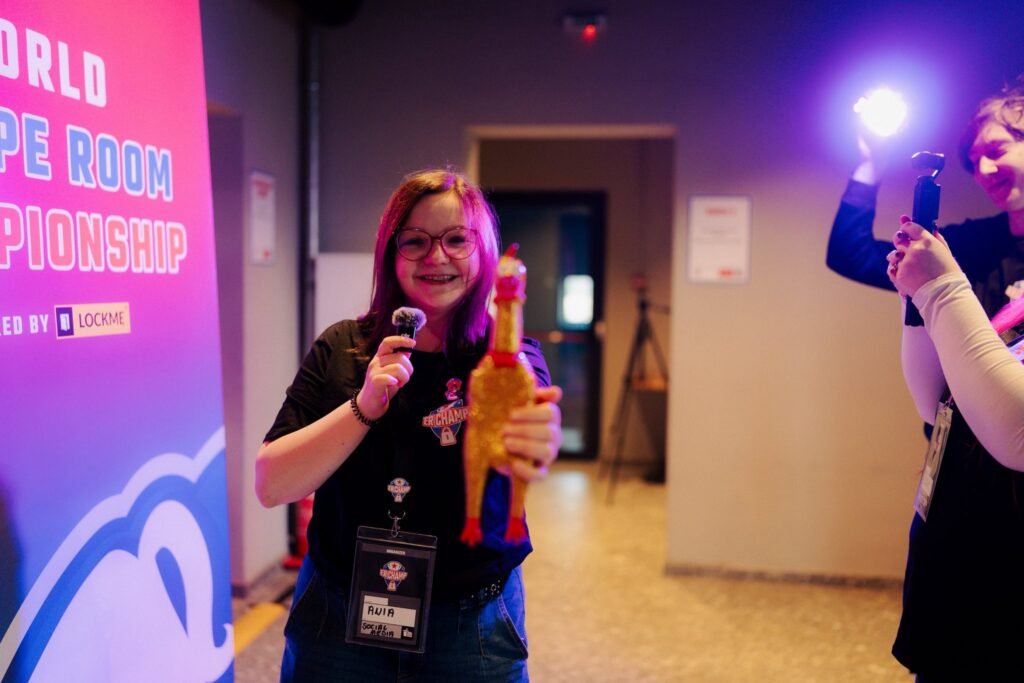
Questions for Anna Kryśkow
Ania is a marketing specialist responsible for Lockme’s and ER Champ’s communication and social media presence. Since joining the team, she has played an important role in connecting the global escape room community through the championship’s online platforms.
Through ER Champ’s social media channels, you interact with players from all over the world. Have you noticed differences in how various countries approach the escape room hobby?
We actually have a massive player base in Japan, and I’ve noticed something beautiful about their community: Japanese players are incredibly supportive of one another. You can really see this during our final livestreams. Whenever Japanese teams make it to the finals, the chat is flooded with support from their compatriots cheering them on. It’s a fantastic display of national teamwork.
What has been the biggest challenge in promoting such a unique and specialized event as ER Champ?
The biggest challenge is reaching players who don’t naturally gravitate towards gamification or e-sports. For most people, escape rooms are a way to relax, unplug from reality, and just have fun with friends. Asking them to suddenly compete online for the best time is a big shift in mindset. ER Champ definitely attracts the hardcore enthusiasts, but blending the casual escape room vibe with high-stakes competition remains a niche, and promoting that crossover is our main challenge.
Has your experience as a Game Master influenced the way you communicate and promote ER Champ?
It’s a completely different dynamic. Being a Game Master is a very intimate job – you build a unique relationship with a single group of people for 60 minutes, trying to give them the best personalized experience possible. ER Champ involves thousands of players at once, making that level of intimacy much harder to achieve. However, I still try to treat every player with that same individual dedication. Whether that stems from my time working as a GM back in 2017 and 2018, or if it’s just my natural approach to people, it’s hard to say! But the core goal remains the same: making sure the players have a great time.

Was there a specific moment when you realized that ER Champ had become a truly global event?
When I joined Lockme in 2022, ER Champ was already well-known globally. But my personal ‘aha!’ moment was definitely my first live finals in Wrocław in 2023. It really hit me when I saw teams flying into Poland not just from Europe, but all the way from the USA and Japan, just to compete in the physical escape rooms we designed specifically for them. Spending those evenings talking face-to-face with escape room enthusiasts from all over the world was an absolutely unforgettable experience.
Final Thoughts
We would like to sincerely thank Bartosz Idzikowski and Ania for taking the time to answer our questions and share their thoughts with the Greek escape room community.
We wish the entire ER Champ team the very best for this year’s championship and look forward to seeing the competition continue to inspire escape room enthusiasts around the world.